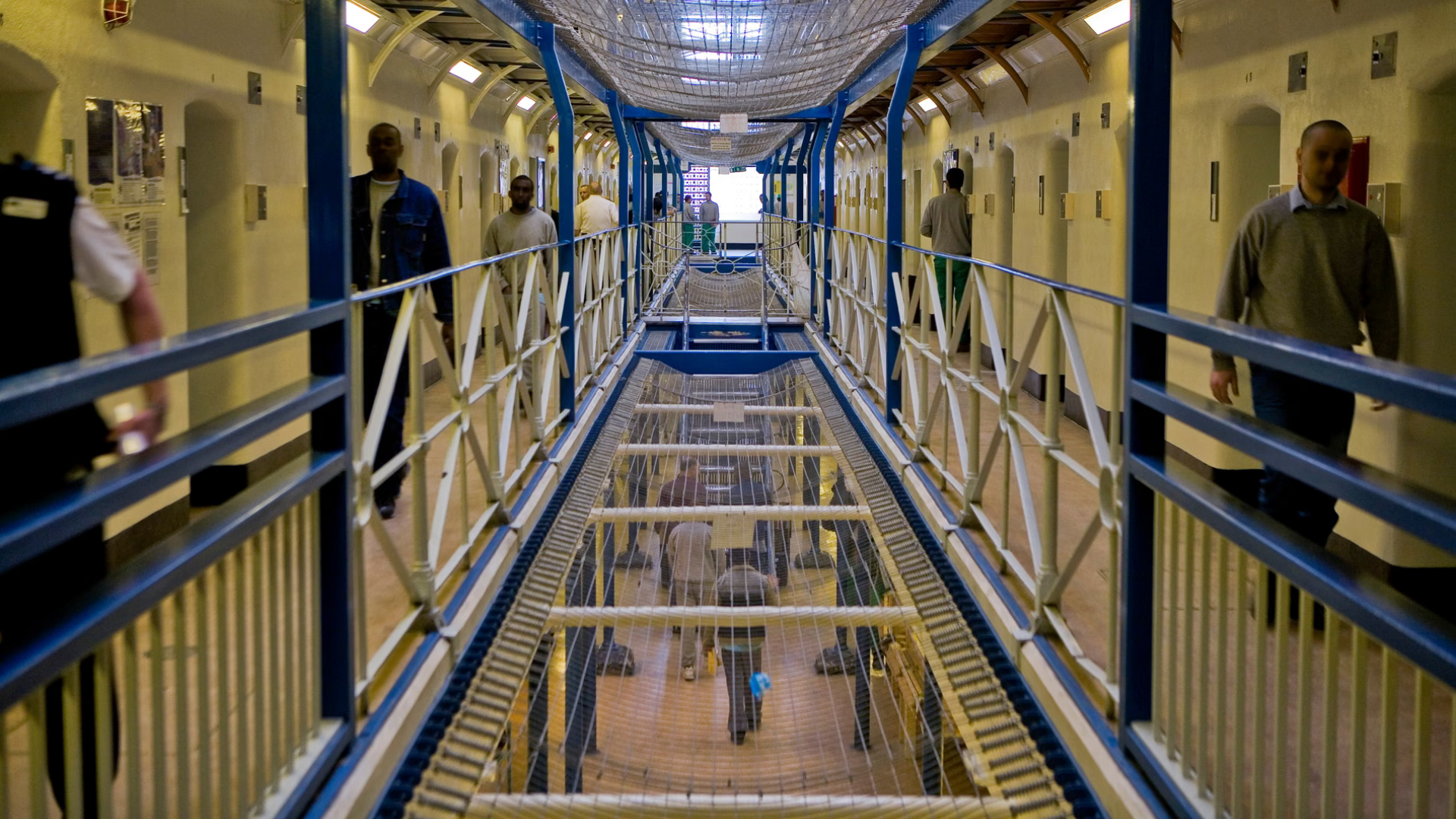
I read a fascinating article from Cambridge Judge Business School about something they describe as “Jailcraft”. The ability experienced prison officers develop to sense and influence the atmosphere around them often before violence erupts. It really resonated with me.
Three Ways Prison Officers Control a Room
The research by Dr Adrain Marrison at Warwick University focuses on how prison officers and other security professionals outside of prisons, develop the ability to read and control the atmosphere in the physical space around them. This “atmospheric work” is broken down into three key tactics that prison officers use to control a room by:
- sensing the atmosphere for rising tension
- amplifying tension as a means of control
- dampening tension if the the risk of violence is high
This research draws on observations gained over a 12-month study of prison officers in a UK Category B prison, where the data looks at how prison security hinges on officers becoming proficient in “atmospheric work”, or the practices officers go through to develop this sixth-sense or intuition that allows them to modulate atmospheres in situationally adaptive ways to prevent violence. This is what is known in the prison service as Jailcraft.
What is Jailcraft?
As an ex-Prison Officer for the UK Prison Service, I spent many years working across the prison estate, including the Long Term and High-Security estate (LTHSE), Young Offender Institution (YOI) and Category B prisons. I worked with some extremely challenging and dangerous individuals in environments where violence, aggression and hostility could never be treated as unusual or somebody else’s problem.
Over time I developed a sense for when something simply wasn’t right. I remember walking onto the G Wing (Top Jail) at Strangeways (HMP Manchester) on one occasion and noticing that all our landing orderlies were out together on the first landing. There was nothing particularly unusual about them being there. But seeing all of them there together told me something: we had a problem.
Nobody needed to come over and tell me. They knew that by putting themselves there we would recognise that something wasn’t right, and they trusted us to deal with whatever was developing.
That is another part of Jailcraft that is easy to overlook. It isn’t only about knowing and trusting the officers you work alongside. It is also about knowing the prisoners in your care. You knew their routines, personalities and relationships. You knew what was normal and perhaps more importantly you noticed when normal changed. Sometimes the smallest change told you far more than somebody coming up and saying, “We’ve got a problem Mr B.” That, to me, is jailcraft.
It could be a landing that had suddenly gone unusually quiet. Prisoners gathering somewhere they normally wouldn’t. A change in somebody’s tone of voice. Repeated glances between individuals. Someone who was normally talkative becoming very quiet.
None of those things necessarily meant violence was about to happen. But together and with experience they told you the atmosphere was changing.
Putting Academic Research into Practice
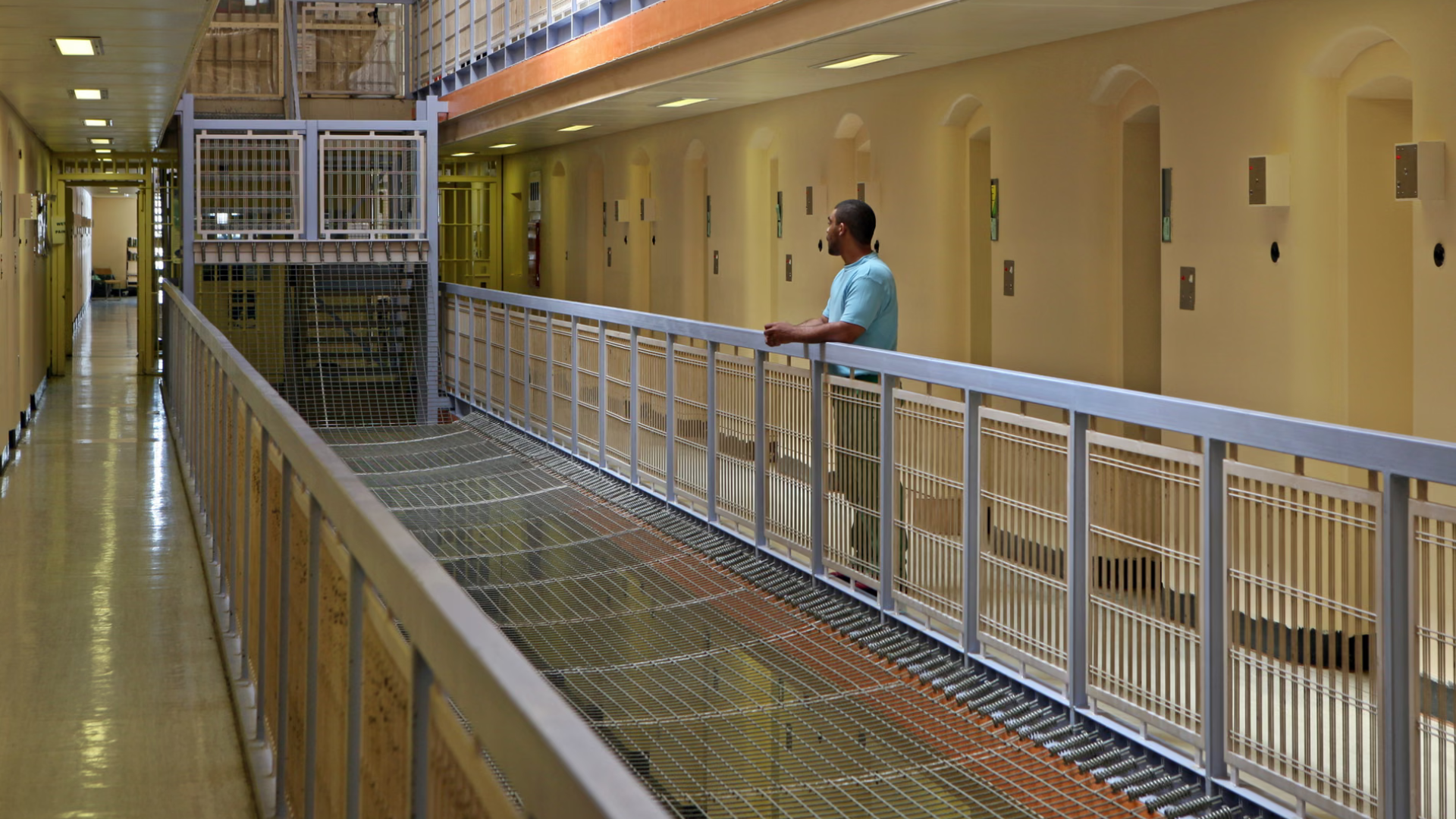
The researchers describe officers as sensing, amplifying and dampening the atmosphere. They may be academic terms, but I knew exactly what they meant. We were doing all three every day.
Sometimes you needed to make it clear that you had seen what was developing. Presence, positioning, eye contact, tone of voice and getting colleagues into the right place could be enough to stop something going any further. Other times you did exactly the opposite.
Lower the temperature. Slow things down. Listen. Give someone space. Change your tone. Show respect. Give someone the opportunity to step away from a confrontation without losing face.
That judgement is difficult to teach from a manual. Some of the most effective Prison Officers I worked alongside were not necessarily the biggest, loudest or most physically imposing. They were the people who could walk onto a wing and quickly understand what was happening, who needed watching, who needed talking to and when they needed to intervene.
There is another part of prison work that anyone who has worked in these environments will understand, the trust, loyalty and respect that develops between officers. You work alongside people knowing that if something goes badly wrong, they will come towards the danger rather than away from it.
Over the years I witnessed countless acts of bravery from Prison Officers. Not necessarily the sort that ever gets recognised or written about but ordinary men and women putting themselves into extremely violent and frightening situations because a colleague, a prisoner or somebody else needed their help.
When an alarm bell sounded, people responded. When a colleague was in difficulty, you went. There wasn’t time to have a meeting about it or decide whether somebody else was better placed to deal with it.
That creates an enormous amount of trust, loyalty and respect between people and friendships that can last long after you leave the Prison Service.
Taking De-escalation Skills Outside The Prison
I have huge admiration for Prison Officers because I know what the job asks of them. They manage aggression, threats, intimidation, self-harm, violence and some incredibly difficult human situations, often day after day while still being expected to communicate, de-escalate, show judgement and treat people with dignity. And the overwhelming majority simply get on with it.
My later work internationally across custodial and other frontline environments has only reinforced that view. Different countries have different systems, cultures and terminology but the ability to recognise and implement de-escalation early and influence what happens next is fundamental wherever people work in potentially violent environments.
It is why I believe conversations about staff safety should never begin and end with physical intervention or protective equipment. Training matters. Procedures matter. Leadership matters. Staffing, communication, relationships and experience matter. Recognising the early indicators of escalation matters enormously. That’s why prevention should always come before intervention.
Protective equipment absolutely has a place. That’s why supplying body armour for prison officers has become such as huge debate. After seing countless examples of violence against prison staff in the news over the past year it has become hard to hide the fact that violence in prisons is getting worse.
When prevention and de-escalation have not been enough appropriate protection can reduce the consequences of an assault. But it should always sit within a much wider approach to keeping people safe not become the approach itself. That’s where companies such as PPSS Group come into play and why understanding the threats facing prison offciers is so important.
That is also what I mean when I talk about Protecting the People Who Protect Others. For me that starts with recognising and valuing the skill, judgement, courage and experience of the people on the front line. It means doing everything we reasonably can to help them prevent harm, prepare for difficult situations and protect them when an incident cannot be avoided.
What I like about this research is that it puts a name to something experienced Prison Officers around the world have been doing for generations.
Jailcraft is difficult to measure, difficult to write into a procedure, and impossible to replace with equipment. But it remains one of the most important tools a prison officer has.
I’d be very interested to hear from colleagues working in corrections around the world. How do we develop and retain this kind of operational judgement, particularly as experienced officers leave the service and new staff come through?
About the Author
Mike Bird, Director of Corporate Relations at PPSS Group
With over 35 years’ experience in custodial, security, and care settings, Mike brings extensive expertise in handling highly hostile, challenging, and complex individuals. After 20 years in the prison service, specialising in the Use of Force and serving as a National Instructor at the National Tactical Response Group (NTRG), Mike has since provided training and consultancy services to police and prison services in the UK, Africa, Asia and Europe.