- The Scale of the Crisis
- Attacks on Prison Officers
- A System Under Strain
- The UK Parliament Debate
- Understanding the Threat
- Protective Equipment
- The Cost of Inaction
- A Call to Action
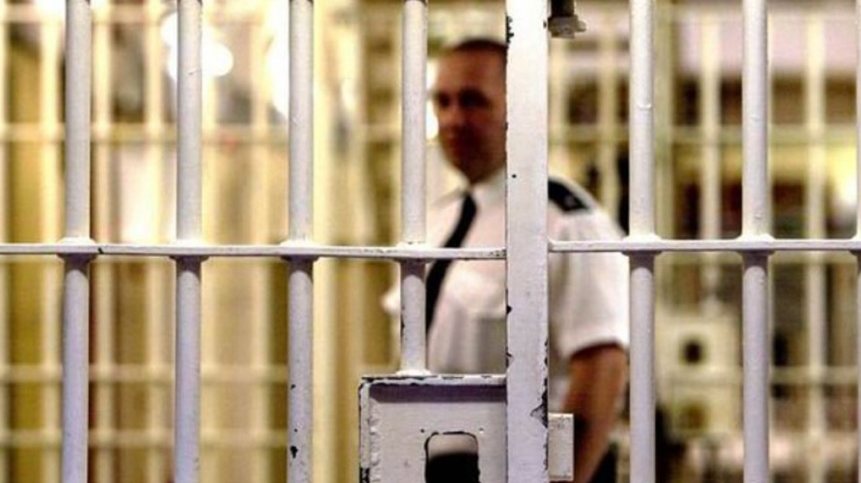
Every day, prison and correctional officers walk into one of the most dangerous working environments in the world. They do so quietly, largely out of public view, and too often without the protection they deserve. Their job is to maintain order and safety in facilities that house some of society’s most volatile and dangerous individuals, and yet the personal safety and well-being of these officers is routinely overlooked by the public, the media, and policymakers alike.
That has begun to change. In March 2026, the UK Parliament held a dedicated debate on whether body armour should be made mandatory for prison officers across England and Wales, a significant moment that reflects years of campaigning by officers, unions, and frontline advocates.
This article brings together the full picture: the statistics that demand action, the threats officers face, the landmark parliamentary debate, and the protective equipment solutions that are already making a difference.
1. The Scale of the Crisis
The data reveals a stark reality that cannot be denied: the UK Prison Service is in crisis. Attacks on prison officers are at record levels. Assaults in prison and correctional facilities have escalated sharply in recent years, with 2025 producing the most alarming figures on record.
According to the Ministry of Justice, in the year to March 2025, prisons in England and Wales recorded 10,568 assaults on staff, a 7% increase on the previous year. Total assault incidents across the prison estate rose to 30,846, up by 9%. By the 12 months to September 2025, overall assault incidents had climbed further still to 31,555, a rate of 364 incidents for every 1,000 prisoners, representing a 6% rise. Of those recorded incidents, 10,326 were assaults on staff, with 931 classified as serious assaults.
The House of Commons Library briefing published ahead of the March 2026 parliamentary debate placed these figures in sharp relief: the prison officer leaving rate stands at 12.2%, a workforce under immense pressure, with 878 fewer full-time equivalent officers in post by March 2025 than just twelve months earlier.
“Violence is unacceptably high in our prisons. There is an average of 28 assaults on staff every day in the prison system.” – UK Parliament, House of Commons debate, 26 March 2026
Internationally, the pattern is consistent. In New York State prisons, 1,760 assaults on staff were recorded in 2024 alone, beating the previous record of 1,671 set in 2023. Research from the United States has found that for every 10,000 full-time corrections officers, there were 254 workplace assaults and violent injuries, that’s 36 times the rate for all American workers. The National Institute of Justice (NIJ) has reported approximately 2,000 correctional employee injuries due to inmate violence annually.
The numbers are not abstract. Behind each statistic is an officer who left for work and did not return unharmed.
2. High-Profile Attacks on Prison Officers
The statistics are made real by a series of high-profile, deeply disturbing attacks on prison officers in 2025, all involving contraband weapons, and all causing serious injury.
- In April 2025, Hashem Abedi, brother of the Manchester Arena bomber, attacked officers at HMP Frankland using boiling oil and improvised bladed weapons, inflicting severe burns and stab wounds on three officers.
- In May 2025, at HMP Belmarsh, Axel Rudakubana, the Southport killer, scalded a prison officer with boiling water through a cell hatch, an assault requiring hospital treatment.
- On 30 May 2025, a prison officer at HMP Long Lartin was brutally stabbed and required emergency surgery.
These were not freak occurrences. They are part of a systemic pattern of violence that has become more apparent as time goes on. According to a BBC investigation, over the past five years more than £20 million has been paid out in damages to staff and prisoners alike following violent incidents. However, the financial price paid here barely scratches the surface when considering the total human cost.
A Sky News investigation titled “I thought I was going to die: The epidemic of violence against prison officers” brought further accounts into the public domain. Officers described moments of genuine terror where they were totally isolated, under-equipped, and facing individuals who had spent months planning their attack.
In May 2025, Mark Fairhurst, National Charman for the Prison Officers Association (POA), spoke directly on the matter of violence in prisons. After a series of high-profile attacks on officers in prisons across the UK, the demand for stronger protection for prison staff and tighter restrictions on inmates was an immediate concern.
“It’s only a matter of time before one of my colleagues is murdered on duty”. – Mark Fairhurst, National Chair, Prison Officers Association
In response to the attacks at HMP Belmarsh and HMP Frankland, Justice Secretary, David Lammy announced in September 2025 that 10,000 more prison officers would be given body armour in a bid to improve safety in jails.
This new investment, initially announced by Lammy to “send a clear message of support to the country’s prison officers”, has been questioned by some as political pandering designed to quiet opposition voices who have been calling out for prison reforms for years.
The chief executive of the Prison Reform Trust, Pia Sinha, stated that “tasers and stab proof vests may help staff feel safer […] but we must not confuse these reactive measures with a strategy to reduce violence at its source”.
While the move to invest more funding in prison officer protection has been seen as a step in the right direction, the limited roll out of stab vests to only prison officers in high-security facilities has left many questioning whether the government is doing enough to protect all staff in correctional facilities.
During the recent debate in Parliament on this issue, one of the key findings was that the risk to prison staff is far too widespread to only provide protection to a select number of officers in high-security units.
“Any prison officer working on any wing of any prison can be attacked. Therefore, any prison officer working on any wing of any prison deserves to be protected from violence while trying to do his or her job.” – Sir Julian Lewis, UK Parliament debate
However, concerns that body armour may be “too heavy and restrictive for everyday use” has left the subject of introducing mandatory use of body armour across the UK Prison Service in need of further debate before rolling out stab vests to all prison officers.

3. A System Under Strain
Independent reports have provided some of the starkest assessments of what is happening inside England and Wales prisons. In December 2025, HM Chief Inspector of Prisons issued an Urgent Notification to the Secretary of State for Justice following an inspection of HMP Swaleside.
The findings were deeply troubling. Swaleside prison had one of the highest rates of violence of all prisons in England and Wales. In 2025 alone, six men had been assaulted or stabbed during their first night in the jail. A third of prisoners told inspectors they had been assaulted by another prisoner, and many said they currently felt unsafe. Drones carrying drugs and sometimes knives were exacerbating instability across the wings.
Staff were described as burnt out and demoralised from sustained, unrelenting levels of violence. Chronic long-term understaffing meant many officers lacked the experience to effectively manage the population they were responsible for. The Governor had only been in post for five months. The prison had been without permanent leadership for much of 2024 and 2025.
“The appalling outcomes we found at Swaleside, holding some of the most dangerous men in the country, represent serious failings by leaders in the prison service to address the systemic problems at this troubled jail.” – Charlie Taylor, Chief Inspector of Prisons, December 2025
Swaleside is the third prison in the long-term high security estate to be issued with an Urgent Notification, after Manchester and Woodhill. The pattern is impossible to ignore. These are not isolated failures, but systemic ones.
The Institute for Government has added analytical weight to these findings, demonstrating that overcrowding is a direct driver of violence.
A 1%-point increase in the proportion of prisoners in crowded accommodation implies around 1.3 additional staff assaults per 1,000 prisoners. With England and Wales now holding over 88,000 prisoners, near record levels, the structural conditions for violence are firmly in place.
4. The March 2026 UK Parliament Debate
On 26 March 2026, Members of Parliament debated whether body armour should be made mandatory for all prison officers in England and Wales. It was a significant moment, the first time the specific question of mandatory PPE for corrections officers had been given dedicated parliamentary time, and the debate surfaced both the urgency of the situation and the complexity of the solution.
What Parliament Established
Several clear findings emerged from the debate:
- Violence remains unacceptably high, with over 10,000 assaults on prison staff annually, including serious incidents involving improvised weapons.
- The risk is not confined to high-security units. As stated explicitly during proceedings: “Any prison officer working on any wing of any prison can be attacked.”
- The Government has committed to scaling up stab vest availability from 750 to 10,000, with mandatory use currently limited to designated high-risk environments.
- There is no commitment yet to universal provision of body armour across the entire prison estate.
- Existing equipment has drawn criticism, described in some quarters as “unfit for purpose”, restrictive, and causing health problems for wearers.
- Concerns were raised specifically about fit for female officers, with the finding that “body armour failed adequately to accommodate female anatomy.”
- A clear standard was set: “Body armour must be lightweight, not impair mobility and remain comfortable if worn for lengthy periods.”
- Parliament’s core takeaway on implementation: “The selection of protective equipment must be right rather than rushed.”
The Double Standard That Cannot Be Ignored
One of the most powerful threads running through the parliamentary debate is the stark disparity between how police officers and prison officers are protected.
Police officers, who typically engage with dangerous individuals for minutes at a time, usually with backup, body-worn cameras, and a rapid response framework, are legally mandated to wear body armour in most countries.
On the other hand, Prison officers, who supervise the very same dangerous individual’s day after day, sometimes for years, are in most jurisdictions issued with no protective clothing whatsoever.
The dangerous individual does not become less dangerous upon entering prison. If anything, a prisoner becomes more dangerous over time. Due to a combined issue of overcrowding, a lack of prison funding, and organised crime, smuggling weapons into a cell is easier than ever. Plus, with time on their side, and access to improvised weapons, a planned out premeditated attack on a prison officer is going to be far more serious than a typical police encounter.
The Role of Frontline Campaigners
The parliamentary debate did not happen in a vacuum. It followed sustained campaigning by frontline officers, their families, and advocacy groups. Among the most prominent voices has been Claire Lewis, a former prison officer who was herself seriously injured in an attack involving a broken bottle. Her petition calling for improved protection for prison officers drew widespread public support and helped build the political momentum that led to the 2026 debate.
Her story tells of the human reality that every statistic in this article represents.
5. Understanding the Threat of What Officers Face
To advocate effectively for better protection, it is necessary to understand precisely what corrections officers are facing daily. The threats are multiple, compounding, and increasingly unpredictable.
The Improvised Weapon Problem
Prisoners have something that police encounters rarely account for: time.
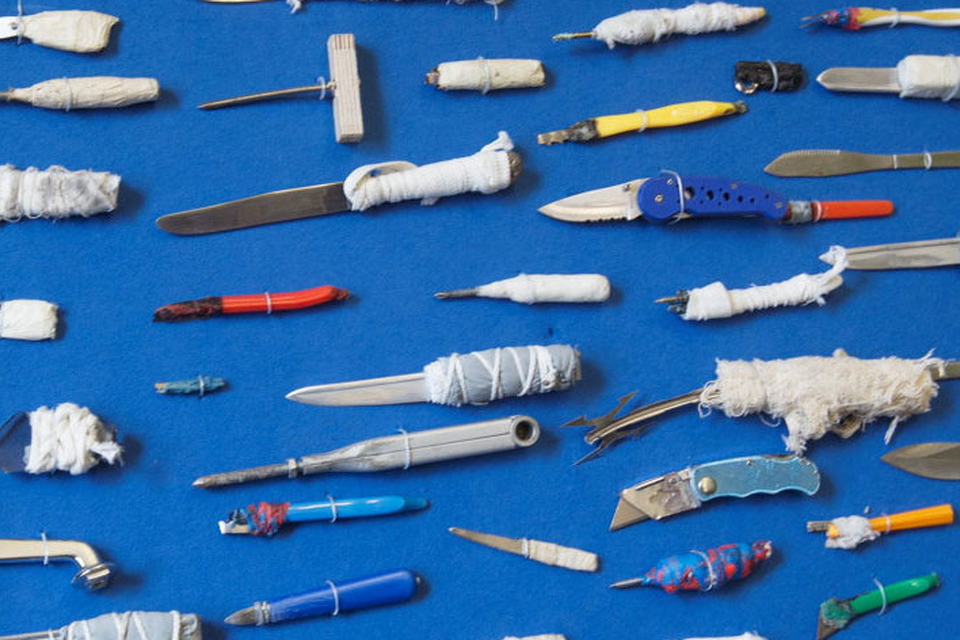
Hours, days, weeks, and months to plan, to develop grievances, and to engineer weapons from everyday materials. Sharpened bed or table frame legs, razor blades melted into toothbrush handles, broken glass, ceramic shards, pens, pencils, and shanks fashioned from plastic or porcelain have all been documented.
Almost any object, given sufficient time and ingenuity, can become a lethal instrument.
An officer might deliver entirely routine news, a disciplinary decision, a cancelled visit, a cell search, bad news from home, and face a violent response that has been planned and premeditated over days or weeks. The best communication skills and the calmest demeanour cannot always prevent what has already been decided.
Edged Weapon Injuries
Stab injuries occur where the depth of a wound exceeds its surface length, the result of a thrusting motion, typically with a pointed improvised weapon. Slash injuries are the reverse: the surface wound is longer than the depth, caused by a sweeping or dragging action.
A retrospective survey of hospital admissions that informed the development of protective clothing standards found that 63% of wounds attributable to sharp-edged weapons were slash events, with the most affected areas being the head, arms, thighs and neck.
The Critical Risk: Uncontrolled Bleeding
Catastrophic and uncontrolled bleeding is one of the leading causes of death in violent attacks. The key arterial points, where a severed artery can cause rapid, fatal blood loss, are:
- Carotid Artery — either side of the neck
- Brachial Artery — both upper arms
- Radial Artery — both wrists, close to the surface of the skin
- Femoral Artery — either side of the groin
- Axillary Artery — each armpit
Injury to any of these points can render an officer unconscious within approximately 30 seconds and result in death within three minutes if bleeding is not controlled. Venous bleeding from shallower wounds can be equally life-threatening when multiple injuries occur simultaneously.
Internal bleeding caused by deep penetrating injuries or severe blunt force is the most difficult to treat and may not be apparent until the situation is critical.
A natural self-defence instinct, raising the arms to protect the face, directly exposes the axillary artery. This is not a failure of training; it is a fundamental human reflex. The appropriate response is not to criticise the reflex, but to protect against its consequences.
Blunt Force Trauma
Blunt force trauma is in fact the most statistically likely type of assault a prison officer will face. Fists, feet, knees, elbows, iron bars, bricks, fire extinguishers, pieces of furniture. All are documented instruments of attack in prison environments. The severity of injury depends on the speed, velocity, size, and weight of the object involved. Outcomes range from bruising and fractures to internal haemorrhage, organ rupture, cardiac tamponade, and death.
6. Protective Equipment That Works
We cannot eliminate the risk of workplace violence in prisons. However, we can, and must, reduce it. The parliamentary debate was right to insist that the selection of protective equipment must be right rather than rushed. The technology exists. The solutions have been developed, tested, and refined over many years specifically for the corrections environment.
Carbon Fibre Stab Vests
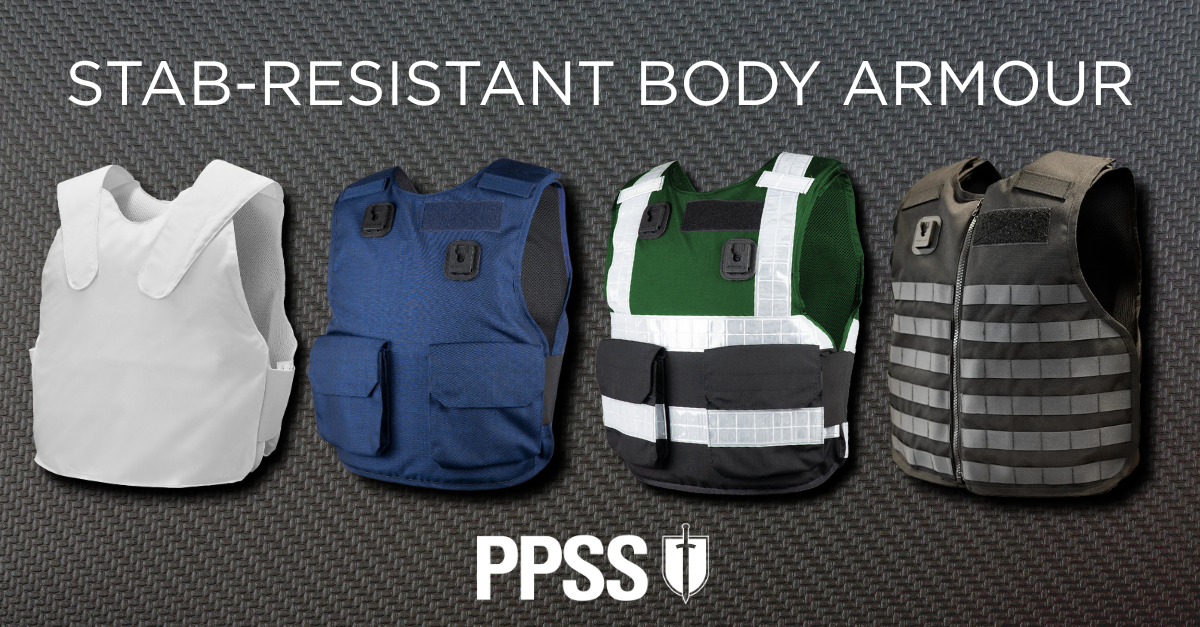
PPSS Group’s carbon fibre stab vests are purpose-designed to address the three primary threats facing corrections and prison officers:
- Blunt force trauma
- Improvised edged weapons
- Spikes, shivs and hypodermic needles
Certified to internationally recognised standards for knife resistance (KR1), spike resistance (SP1) and blunt force impact (VPAM W5), our body armour provides protection that can be genuinely trusted.
Material selection is everything. We use the same class of high-performance material used in motorcycle helmets, sports cars, and aerospace & defence. Carbon fibre body armour uses solid plates that are body-moulded to fit all sizes in a unisex design that is lightweight, comfortable and made to be worn all day.
This solid carbon fibre plating is precisely what delivers meaningful protection against blunt force trauma. The ridged carbon fibre structure absorbs kinetic energy from a physical strike and distributes it across the body, leaving the wearer feeling almost nothing at all.
Unlike soft body armour made of aramid fibres, such as Kevlar®, these vests cannot provide adequate protection against blunt force trauma from close combat.
Carbon fibre armour is also exceptionally thin and lightweight, but most importantly, it does not degrade over time. Kevlar® vests require replacement approximately every five years due to reduction in performance whereas carbon fibre armour offers an essentially unlimited lifespan, making it a demonstrably stronger long-term investment.
Solving the Weight Problem with the MOLLE System
The March 2026 parliamentary debate identified a very specific practical concern: that existing PPE, combined with the weight of equipment belts carrying radios, batons, and PAVA spray, was causing health problems and physical strain, particularly during long shifts.
Modern MOLLE-compatible stab vests address this directly. By allowing essential equipment to be integrated onto the vest itself, weight is distributed across the upper body rather than concentrated at the hips and lower back. This directly responds to the parliamentary requirement that body armour must not impair mobility and must remain comfortable for lengthy periods, not as a design aspiration, but as an operational necessity.
Fit for Female Officers
Parliament explicitly raised the finding that existing body armour had failed to adequately accommodate female anatomy. This is not a minor consideration; it has direct safety implications. Equipment that does not fit correctly will not be worn consistently, and inconsistently worn equipment provides no protection at all.
Modern protective equipment is now developed with proper sizing for both male and female officers, reflecting the reality of the workforce. This is not optional. It is a prerequisite for any equipment programme to function effectively.
SlashPRO® Slash Resistant Clothing
Body armour protects the torso. But as the injury data makes clear, some of the most dangerous and likely points of injury lie on the limbs, neck, and underarms. SlashPRO® slash resistant clothing is designed specifically to address this gap.
By shielding key arteries from laceration, SlashPRO® garments significantly reduce the risk of rapid blood loss, shock, and death. The full range spans covertly worn T-shirts, overtly worn combat shirts and jackets, cut resistant boxer shorts, neck guards, and balaclavas.
All garments carry full certification to European Cut Level 5 (EN 388:2016), International Cut Level 5 (ISO 13997:1999), and American Cut Level A5 (ANSI/ISEA 2016). Verified test reports are publicly available.
For CERT teams and Tactical Response Groups managing serious disturbances, this level of slash-specific protection is particularly critical. These officers face the most sustained and intense exposure to edged weapons, typically in confined and chaotic environments.
The Layered Protection Approach
No single item of PPE addresses every threat. The most effective strategy is a layered one: stab resistant body armour combined with slash resistant clothing, calibrated to the specific threat environment of each facility and operational role. The precise combination should be the output of a structured, honest threat assessment not the result of budget convenience or institutional inertia.
As Mike Bird, former National Instructor with the National Tactical Response Group (NTRG) and a 20-year veteran of the UK Prison Service, has put it:
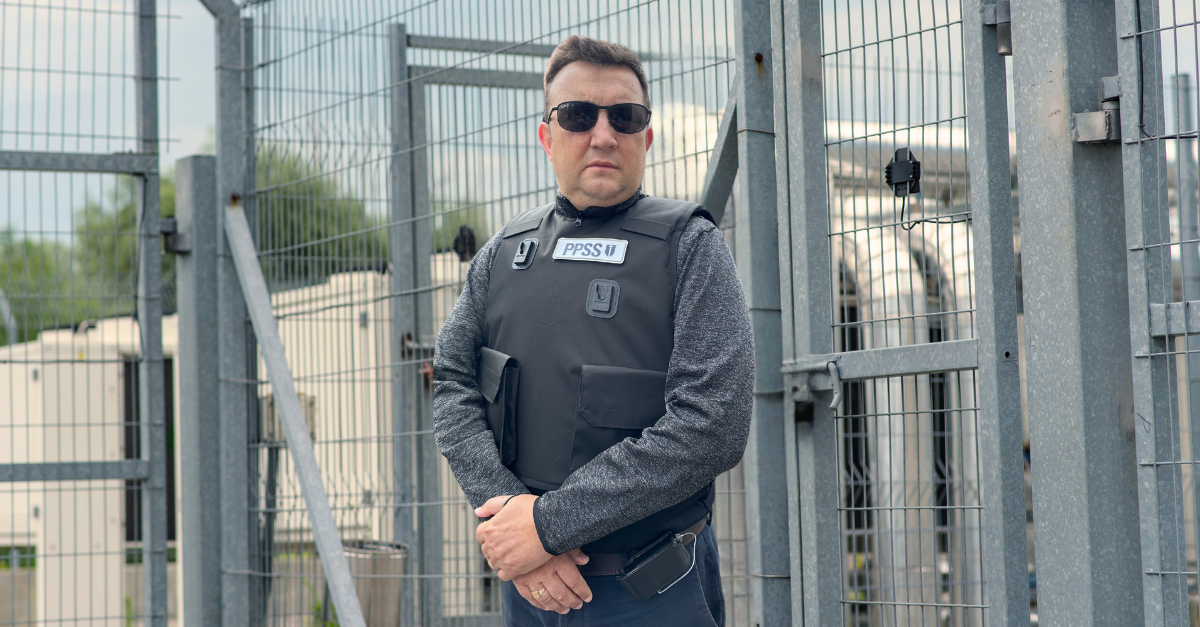
‘if equipment is too heavy, it comes off. If it restricts movement, it gets avoided. If it does not fit properly, it creates hesitation rather than confidence. This is not theoretical, it is the lived experience of officers on the wings”. – Mike Bird, PPSS Group
7. The Workforce Cost of Inaction
The case for better protective equipment is a moral one. It is an operational and financial one.
The prison officer leaving rate of 12.2%, combined with the loss of 878 full-time equivalent officers in a single year, is not unrelated to the violence picture. The Institute for Government’s analysis shows that resignation rates are higher in more violent prisons, and that higher staff turnover means less experienced officers on the wings, officers who are less likely to have developed the relationships with prisoners that reduce conflict, and more likely to feel isolated and unsupported.
More than £20 million was paid out in damages over five years to staff and prisoners assaulted in violent incidents. Every serious injury generates sick leave, potential long-term disability, recruitment and training costs for a replacement, and potential legal liability. The cost of proper protective equipment is not a burden on the justice budget. It is a reduction of a far greater cost already being absorbed.
“We get it, budgets are tight. The justice sector has been under pressure for years. But if financial pressure is the reason staff are not being issued proper protective equipment, then the logic does not hold up. How much longer can the system afford these constant payouts, sick leave, recruitment costs and legal claims? More importantly, how long can we ask frontline officers to put themselves in danger with little more than training, a radio, and their instinct?” — Mike Bird, former NTRG National Instructor, PPSS Group
8. A Call to Action
The UK Parliament debate of March 2026 is a step forward. It acknowledges the scale of the violence, recognises the inadequacy of current provision, and sets a standard for what protective equipment must achieve. But acknowledging a problem is not the same as solving it.
The question is no longer whether prison officers need protection. That has been answered by the statistics, by the parliamentary record, by the inspection findings, and by the firsthand accounts of the officers themselves. The question now is whether those in positions of authority will act with appropriate urgency, and whether the equipment introduced will be fit for purpose.
No matter how hard we try, we cannot eliminate the operational risks faced by prison and correctional officers. But we can do everything within our power to reduce them. The technology exists. The evidence is clear. The moral case is unanswerable.
About the Author
Mike Bird, Director of Corporate Relations at PPSS Group
With over 35 years’ experience in custodial, security, and care settings, Mike brings extensive expertise in handling highly hostile, challenging, and complex individuals. After 20 years in the prison service, specialising in the Use of Force and serving as a National Instructor at the National Tactical Response Group (NTRG), Mike has since provided training and consultancy services to police and prison services in the UK, Africa, Asia and Europe.