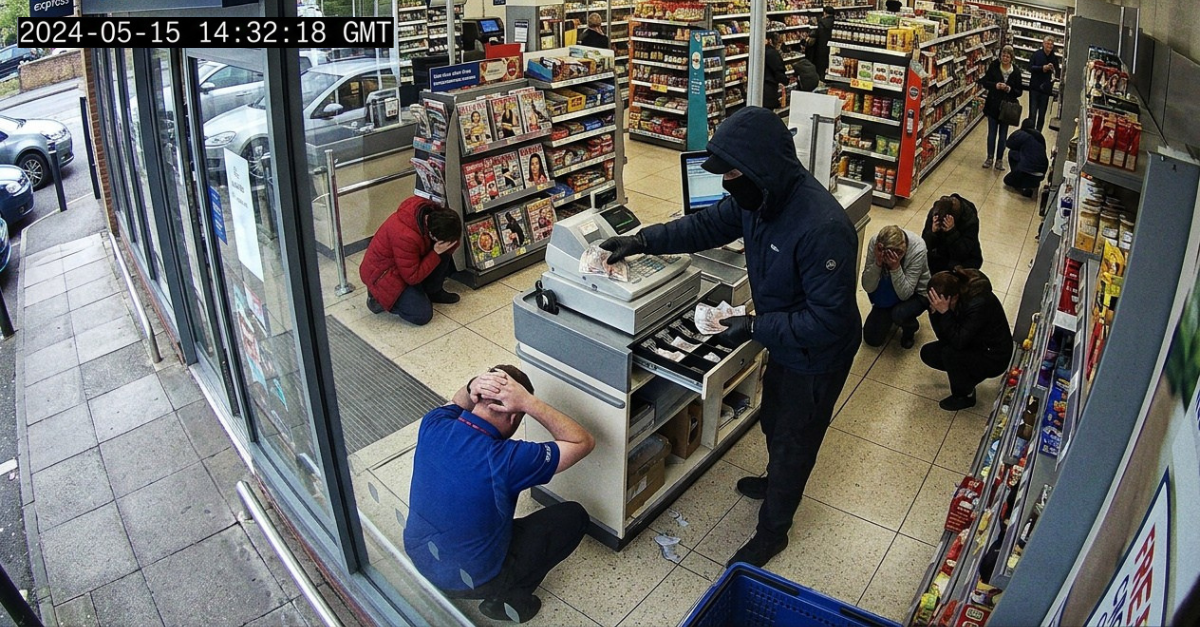
Over the past two years, the UK retail sector has undergone a marked and deeply concerning shift. What was once a stable environment defined by routine commerce and community interaction is now increasingly characterised by violence, threatening behaviour, and organised criminal activity.
This change has not happened gradually. It has accelerated. Recent reports from BBC and The Guardian indicate that retail staff are being punched, threatened, and spat at, with many describing their workplaces as unpredictable and unsafe.
There is clear evidence of organised retail crime groups operating “steal-to-order” models, targeting specific high-value goods based on demand rather than opportunity. There is also growing evidence that offenders are coordinating activity through social media and informal networks, enabling rapid targeting of specific stores and goods. Offenders are increasingly brazen, often acting openly with limited fear of consequences.
Incidents previously dismissed as “low-level” shoplifting have evolved into structured, repeat offending patterns. Retailers are now dealing with coordinated theft, escalating aggression, and a level of defiance that would have been unthinkable just a few years ago.
This is no longer about opportunistic theft. It is about control, intimidation, and a growing perception that enforcement and legal punishment is inconsistent or absent.
In 2024, the British Retail Consortium reported over 2,000 incidents of violence and abuse against retail workers every single day. Violence and abuse against shopworkers have reached unacceptable levels, and decisive action is urgently needed.
“Retail crime is spiralling out of control. People in retail have been spat on, racially abused, and threatened with machetes. Every day this continues, criminals are getting bolder and more aggressive.”
– Helen Dickinson, Chief Executive of the British Retail Consortium
This is reinforced by the USDAW, whose latest survey indicates that approximately 78% of retail staff have experienced verbal abuse, with a significant proportion facing threats and physical assault.
At a national level, Home Office data confirms sustained increases in shoplifting across England and Wales, much of it linked to repeat and organised offenders.
Crucially, this assessment is shared by policing leadership. The National Police Chiefs’ Council has warned that retail crime has become increasingly organised and that violence against shopworkers is “completely unacceptable,” with police forces under pressure to respond more robustly to repeat and high-harm offenders.
This is not anecdotal. It is systemic and escalating.
A Workforce Under Daily Threat
For retail workers, the nature of the job has fundamentally changed. The workplace is no longer a controlled environment. It is unpredictable and, at times, hostile. Staff are routinely exposed to verbal abuse, intimidation, and, increasingly, physical aggression. These are not isolated incidents. They are repeated exposures that accumulate over time.
From an operational perspective, this has clear consequences. We are seeing increased staff anxiety, reduced engagement, higher absenteeism, and a growing reluctance to challenge unacceptable behaviour. Over time, this erodes workforce stability and directly impacts operational performance.
From a human perspective, the impact is more serious. No employee should start a shift anticipating confrontation or violence. Yet, for many in retail, that is now the reality.
Security Professionals Under Pressure
Security personnel are operating under growing pressure, often within constraints that limit their effectiveness. They are expected to deter, to observe, and to manage risk. Yet, in many environments, “non-intervention” policies restrict their ability to act decisively. These policies are designed to reduce liability, but they also create operational gaps that offenders are quick to exploit.
This is a critical point. Organised crime is not random. It is deliberate, coordinated, and increasingly professional. Offenders operate in teams, target specific goods, and apply speed and intimidation to overwhelm staff and security alike.
They understand the rules, regulations, and policies. They understand the limitations. And they act accordingly. This places security professionals in a difficult position. They carry responsibility without always having the authority or tools to respond proportionately.
From an operational standpoint, that imbalance is unsustainable.
The Legislative Response
The Crime and Policing Act 2026 represents a necessary step forward. Making assault against a retail worker a standalone offence sends a clear signal that this behaviour is no longer being tolerated at a legislative level.
The removal of the £200 shop theft threshold and increased investment in surveillance technologies are also important developments. However, legislation without enforcement has a limited operational impact. The effectiveness of these measures will depend entirely on what happens next:
- Consistent and visible policing
- Timely response to incidents
- Robust prosecution of repeat offenders
Without these, the underlying risk assessment for offenders remains unchanged. Those on the frontline will judge success not by policy announcements, but by whether their working environment becomes measurably safer.
The Role of Body Armour
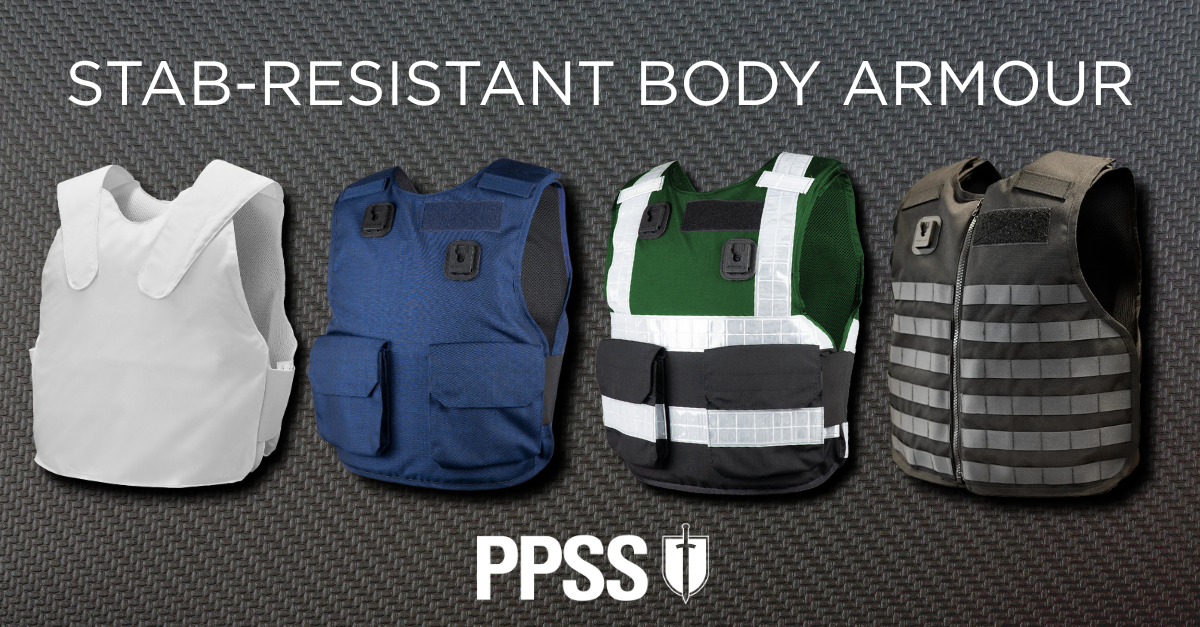
An increasing number of retailers are now equipping their security personnel with stab resistant body armour. This is a pragmatic and proportionate response to the current threat environment.
There is often concern that visible protective equipment may create an overly securitised or confrontational atmosphere. From experience, that concern is overstated.
Modern body armour is discreet, lightweight, operationally appropriate, and offer certified protection from the most realistic threats security professionals face today. They integrate into standard uniforms without altering the customer-facing environment in any meaningful way.
More importantly, they provide a critical layer of protection in situations where escalation can occur rapidly and without warning.
Security professionals are frequently the first point of contact in volatile situations. They step into risk on behalf of others. That reality must be recognised and addressed. Providing appropriate protective equipment is not excessive. It is responsible risk management.
The Human Cost Behind the Statistics
Retail crime is often discussed in financial terms. Loss prevention, shrinkage, and margin impact dominate internal reporting. That perspective is incomplete. The true cost is carried by people.
- It is reflected in the employee who no longer feels safe at work.
- It is seen in the security officer managing confrontation without adequate support.
- It is evident in declining morale, reduced retention, and a workforce under sustained pressure.
From a leadership perspective, this has direct implications for business continuity.
If employees do not feel safe, they will not stay. If they do not stay, operations are compromised. This is not just a security issue. It is a strategic one.
Final Reflection
The rise in retail violence is not an isolated trend. It is a clear indicator of broader challenges in deterrence, enforcement, and public order.
If retail workers feel like targets and security professionals feel constrained in their ability to act, then the system is not functioning as it should.
Addressing this requires more than policy. It requires coordinated action, operational clarity, and sustained investment in frontline capability.
The high street remains a critical part of the UK’s economic and social fabric. It must also remain a safe environment for those who work within it.
At present, for too many, it is not.
About the Author
Jim Still is the Director of Business Development at PPSS Group and a former Royal Marine Commando. After serving in Afghanistan and Iraq and working as a Private Military Contractor, he brings extensive experience in risk management and personal protection. Since joining PPSS Group in 2016, Jim has focused on developing and expanding protective solutions that help frontline professionals operate more safely in high-risk environments.