
I recently did a post on LinkedIn about this but thought I would delve a little deeper and write an article. At PPSS Group we’ve seen many times that procurement decisions regarding what PPE should be issued to employees. Are being made by individuals who may not be directly involved in the operational side of things and may even not know the risks employees are facing.
In an ideal world, decisions around Personal Protective Equipment (PPE) would always be made with one guiding principle in mind: does this equipment genuinely protect the person wearing it in real-world conditions?
Unfortunately, that isn’t always the case.
Across many sectors like security, healthcare, corrections, mental health, education, enforcement, we’re increasingly see a disconnect between procurement-led decision making and operational reality. PPE is sometimes selected by individuals or teams who may be highly competent in cost control, tender compliance, and supplier management, but who do not routinely experience the environments or have little to no knowledge of the risks in which that equipment will be used.
That gap matters. And in high-risk roles, it can have serious consequences.
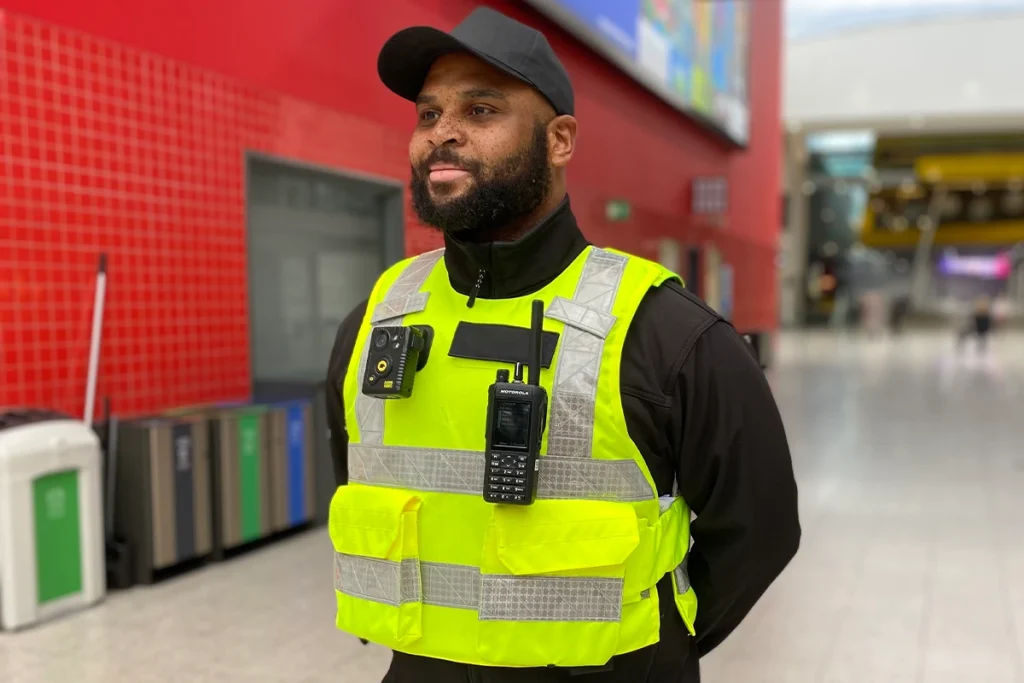
PPE is not a commodity. It is a risk control measure.
Procurement teams often operate under significant pressure:
- Budget constraints
- Framework agreements
- Standardisation targets
- Audit and compliance requirements
All of these are valid considerations. But PPE, particularly protective equipment designed to mitigate violence-related risks, is not simply another line item.
It is a control measure within a wider risk management strategy.
If that control is poorly specified, inadequately tested or certified, impractical, or unsuitable for the threat environment, it may:
- Not be worn consistently
- Be used incorrectly
- Equipment fails to protect when it matters most
- May not be certified to protect against specific risks
At that point, the organisation hasn’t just wasted money, it has created a false sense of safety.
The cost of decisions made too far from the front line.
One of the most common issues we encounter is PPE being specified based on:
- Paper-based standards alone
- Outdated threat assumptions
- Lowest-cost compliance
- Aesthetic or “perception” concerns
rather than:
- Actual incident data
- Current patterns of violence or assault
- Feedback from operational staff
- Real-world wearability and endurance
- A thorough risk assessment being carried out by a competent individual
When frontline professionals say “this won’t work for what we face” and that feedback is overridden or never sought, the organisation exposes itself to unnecessary risk operationally, ethically, and legally.
“Perception” should never trump risk assessment.
A particularly concerning trend is PPE being rejected because of how it might look rather than how well it protects.
Concerns such as:
- “It makes the environment look unsafe”
- “It sends the wrong message”
- “We don’t want to alarm the public”
These should never outweigh a proper risk assessment.
If staff are at credible risk of assault, edged weapons, biting, spitting, or blunt-force trauma, then PPE decisions must be grounded in evidence, not optics.
Failing to do so risks breaching an organisation’s duty of care and more importantly, risks preventable injuries to people simply doing their jobs.
Procurement and operations should be partners, not silos.
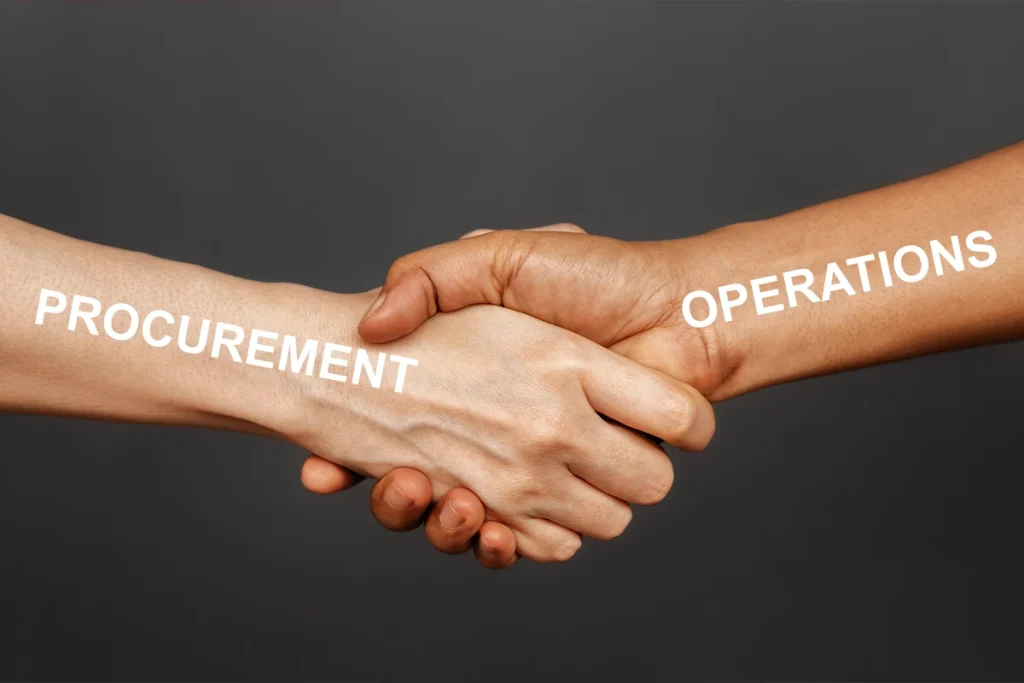
This is not a criticism of procurement professionals, far from it.
The solution is collaboration, not blame.
The strongest PPE decisions happen when:
- Procurement teams engage early with operational leaders
- End users are consulted and listened to
- Trials are conducted in real working conditions
- Risk assessments drive specifications, not the other way around
When procurement expertise and operational experience are aligned, organisations achieve better outcomes:
- Higher compliance
- Better protection
- Improved staff confidence
- Reduced incidents and injuries
- Reduced risk of litigation
A simple question every PPE decision should answer.
Before any PPE procurement decision is signed off, one question I would recommend which should be clearly and confidently answered:
“Would I be comfortable asking my own colleague, or family member, to rely on this equipment in that role?”
If the answer isn’t an unequivocal yes, then the decision deserves further scrutiny.
Closing thought.
Protective equipment exists for one reason: to protect people at risk and potentially save lives.
When procurement decisions drift too far from operational reality, that purpose can be lost. Bringing those perspectives back together isn’t just good practice, it’s a leadership responsibility.
Because when PPE fails, it’s never a spreadsheet that pays the price.
About the Author
Richard Fox is the CEO of PPSS Group. With over 30 years of service in the British Armed Forces and continued service as an Army Reservist Company Sergeant Major, he brings extensive operational leadership experience alongside deep knowledge of PPE compliance, quality assurance, and international safety standards. Appointed CEO in 2025 after serving as Global Operations Director, Richard oversees strategy and day-to-day operations while ensuring PPSS Group maintains the highest levels of product performance and certification.